Launch Review of iPhone 18 Pro Max: Few surprises, but not completely without any.
On September 18, the iPhone 18 series was officially released, and Leitech obtained the iPhone 18 Pro Max immediately after its launch.
Compared with the bold and innovative iPhone 17 Pro Max released last year, Apple has obviously made far fewer drastic changes to this year's model. Even after watching the launch event, it is hard to find a compelling reason that makes users "have to upgrade". However, specifications are just specifications, and you will never know whether a mobile phone is user-friendly or not until you get your hands on it and experience it. After a day of brief hands-on experience, the editor from Leitech has gained some unique insights into this iPhone 18 Pro Max.
So how does this year's "flagship king" with a starting price of over 10,000 yuan actually perform? Let's cut to the chase directly.
Few changes in appearance, but considerable internal upgrades
Compared with the iPhone 17 series that brought massive upgrades last year, this year's iPhone 18 Pro Max is far more understated. After all, the iPhone 17 Pro Max was just equipped with an aluminum unibody chassis and a brand-new horizontal camera Deco, so it is obvious that Apple would not overturn this design and start all over again just one year later. Especially for the camera Deco, the iPhone 18 Pro Max still adopts a horizontally protruding raised platform, and the positions and overall layout of the three cameras have no obvious changes. When this design was first released last year, it sparked huge controversy. In particular, the two-tone effect formed by the back glass and the aluminum chassis made some people think it was highly recognizable, while others considered it awkward from every angle.
The unit we have here comes in the brand-new "Burgundy Red". Compared with the highly prominent "Cosmic Orange" released last year, this burgundy red is obviously much more low-key. Indoors or in low-light environments, it looks more like a dark red with a hint of purple. The red tone only becomes obvious in direct sunlight or strong light. However, the editor believes that the biggest advantage of this burgundy red is that the color blocking on the back panel looks far less disjointed, bringing a stronger sense of integration.
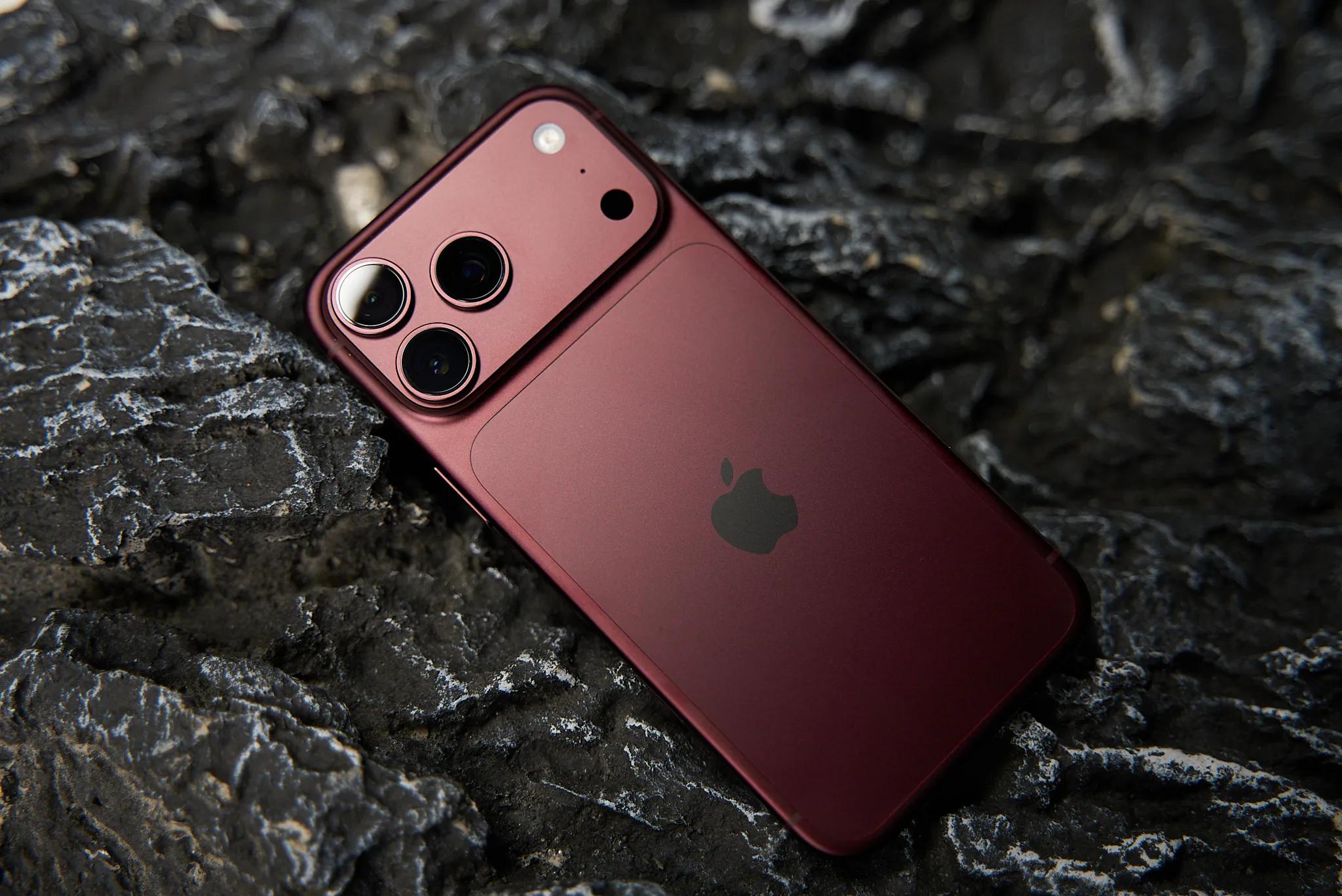
(Image source: Photo by Leitech)
From the perspective of personal aesthetic preference, the editor is quite fond of this color. On one hand, it is not as ostentatious as bright red, and on the other hand, as the new signature color of this year, it has sufficient recognizability. During a visit to the Apple Store at Tianhuan Plaza in Guangzhou today, Leitech also found that burgundy red is indeed the most concerned color among scalpers and first-wave users, which at least solves the problem of "spending over ten thousand yuan on a new iPhone but no one notices you have upgraded".
The changes on the front side are also minimal. The screen is still 6.9 inches, and the overall display quality leaves little to be desired. The only obvious change is the smaller Dynamic Island. However, for users who have been accustomed to using iPhones of recent generations, this minor change brings very little sense of novelty.
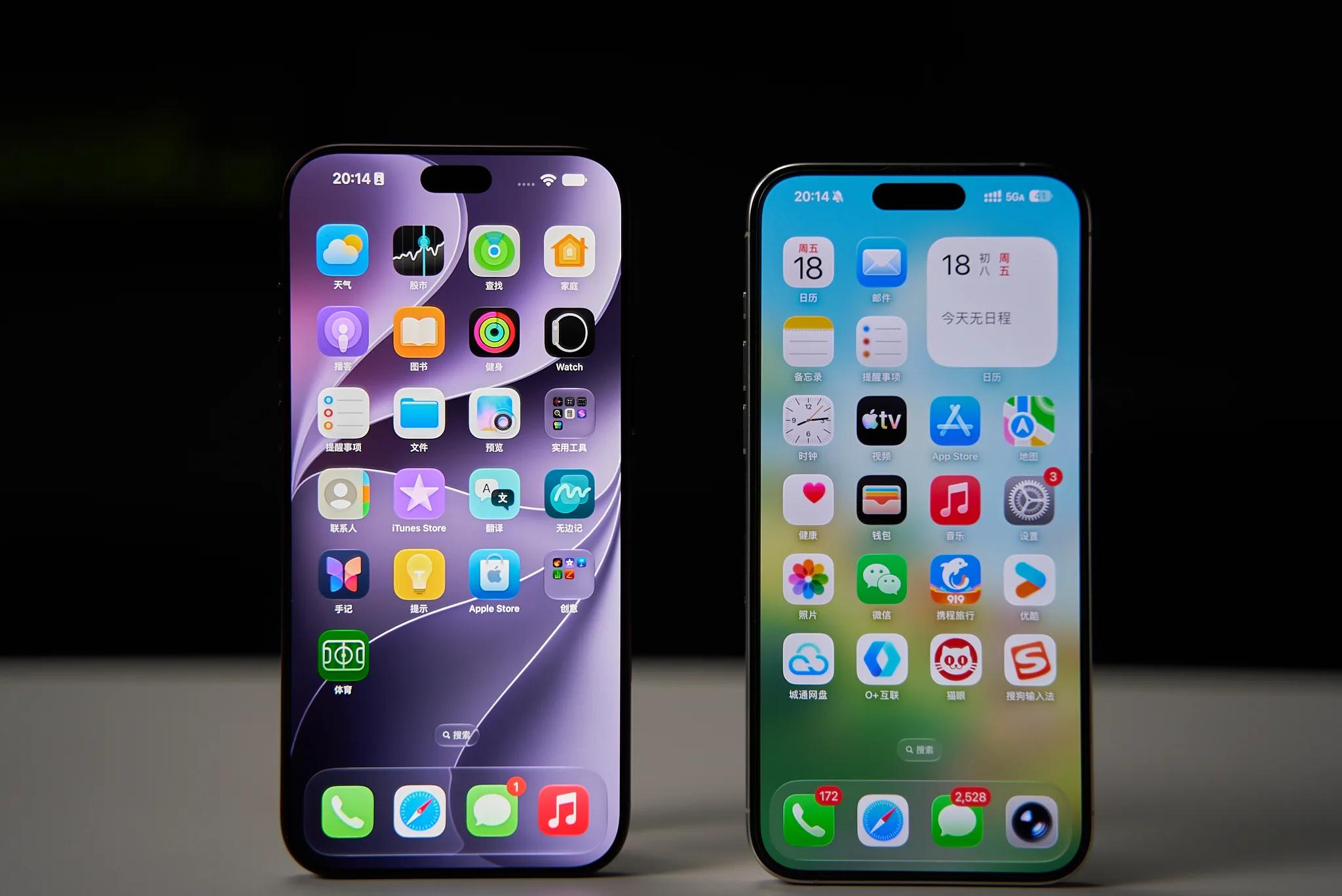
(Image source: Photo by Leitech, iPhone 18 Pro Max on the left, iPhone 16 Pro Max on the right)
Therefore, in terms of appearance, the iPhone 18 Pro Max is more like a minor revision based on the previous generation. Even when you put the two phones side by side, it is difficult to tell them apart at first glance without careful observation, which naturally fails to arouse the urge to upgrade among iPhone 17 series users.
Although the appearance barely changes, Apple has put almost all of its upgrade focus on the internal components of the phone this year. The A20 Pro chip adopts the 2nm process for the first time, the area of the VC vapor chamber is further expanded, and battery life and charging performance continue to improve. More importantly, the main camera finally supports a variable aperture, and the native camera app for the first time opens up professional parameter control functions such as aperture, shutter speed and white balance.
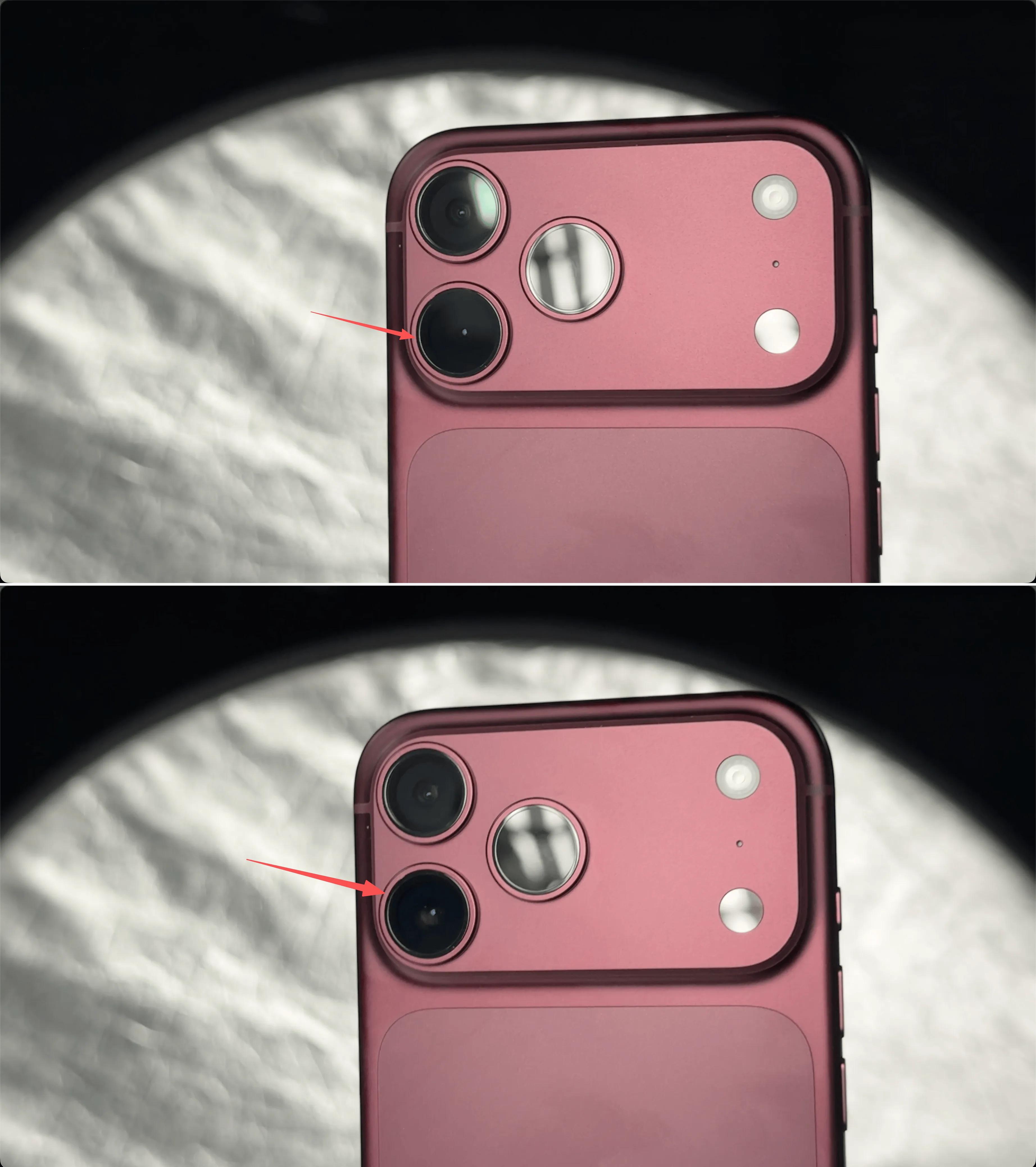
(Image source: Photo by Leitech, minimum aperture on the top, maximum aperture on the bottom)
Let's focus on the variable aperture first. This technology is by no means new in the mobile phone industry. Huawei, Samsung and Xiaomi have all launched products equipped with this technology, and their shooting performance is quite excellent. In the past, Apple insisted on using a fixed aperture, and relied more on multi-frame synthesis, HDR and night mode to adapt to different shooting scenarios. This solution has been used for many years, and its actual performance is sufficiently stable.
However, as the main camera sensor of mobile phones becomes larger and larger, the shortcomings of a fixed large aperture are becoming more and more prominent. The most obvious one that affects daily user experience is depth of field. When shooting a single person or a still life, the natural bokeh brought by the large aperture is very useful, but when taking group photos, shooting products or documents at close range, the excessively shallow depth of field tends to result in a situation where the foreground is clear while the background is blurred. This kind of physical problem can hardly be solved by algorithms alone. On the iPhone 18 Pro Max, we can shrink the aperture to f/2.8 or even f/4.0 to obtain a larger depth of field range.
Conversely, at night, opening the aperture fully to f/1.48 can maximize the amount of incoming light.
From the editor's short half-day brief experience, Apple's variable aperture will not make you feel that "the image quality has been greatly improved" at first glance. It is more like adding a new professional capability that the iPhone did not have before. For ordinary users who only know how to press the shutter, it may not be that important; but for people who really use iPhones to take photos, shoot videos or even create content, this year's main camera indeed brings many more creative possibilities.
Telephoto performance is flagship-level, does the variable aperture hold it back?
All along, the most obvious advantage of iPhone's imaging system is its stability. You don't need to know anything about photography, you don't have to worry about shutter, white balance or even exposure parameters. Just pull out your phone and press the shutter, and you will usually get a photo that is at least not bad. This design philosophy of Apple has made the iPhone a very easy-to-use "recording tool", which is also the reason why a large number of ordinary users and even professional creators have been keen to use iPhones to shoot videos for so many years.
But on the other hand, Apple is not that user-friendly for professional users who like to adjust parameters. Although it has successively opened up professional formats such as ProRAW, ProRes and Log, and even repeatedly emphasized that iPhones can be used in real film production, Apple has been reluctant to provide access to the most basic parameter controls. If you want to adjust shutter, ISO or white balance, you either have to rely on third-party camera apps, or connect external professional devices.
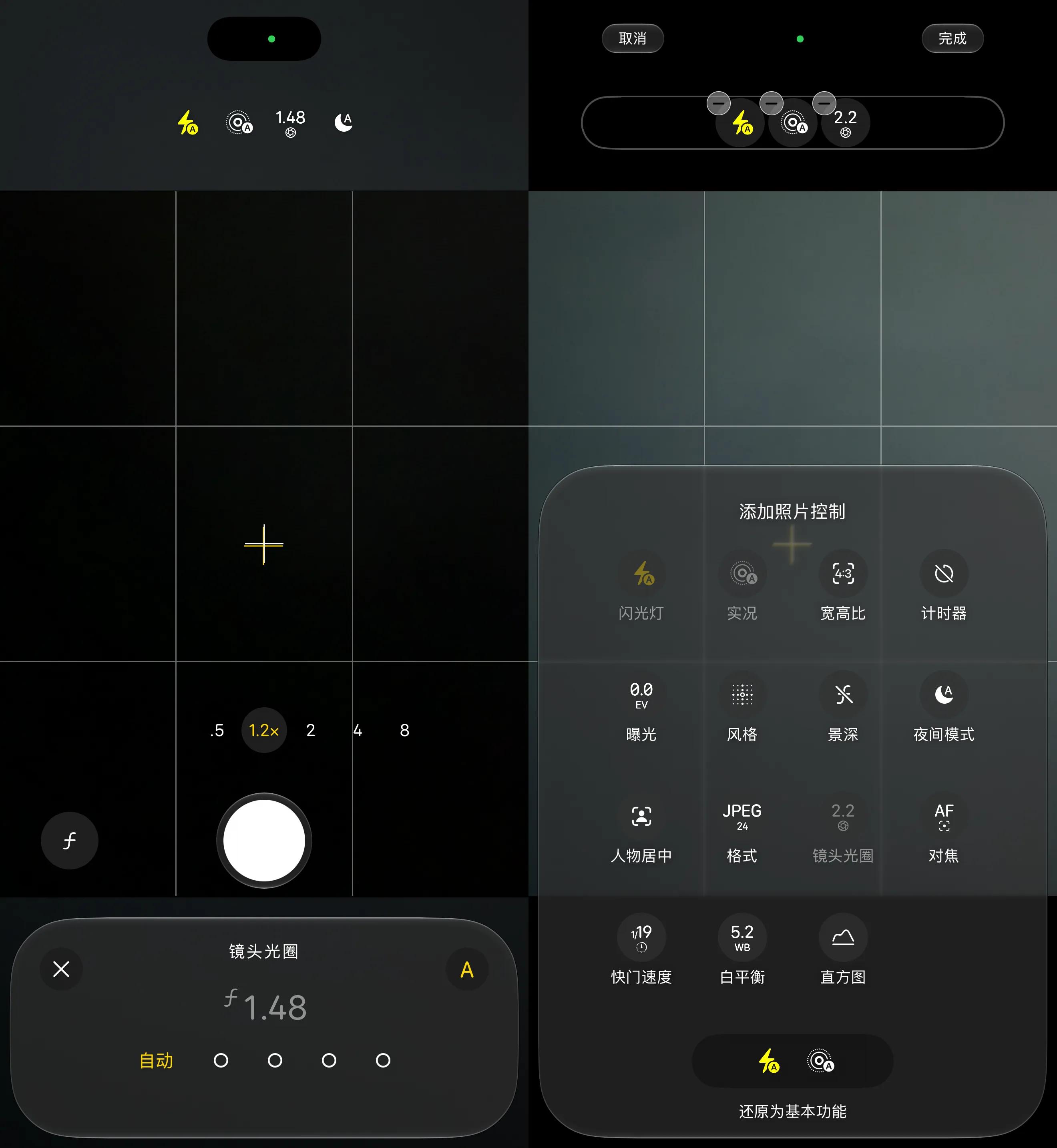
(Image source: Graphic by Leitech)
This year, Apple's long-standing convention has finally changed. Now users can not only adjust the lens aperture, shutter speed and white balance, but also view the histogram in real time. Combined with the variable aperture, the iPhone finally has a shooting logic that is closer to that of professional cameras.
After talking so much about theoretical aspects, it is time for us to carry out actual tests, starting with the most intuitive visual perception of the images.
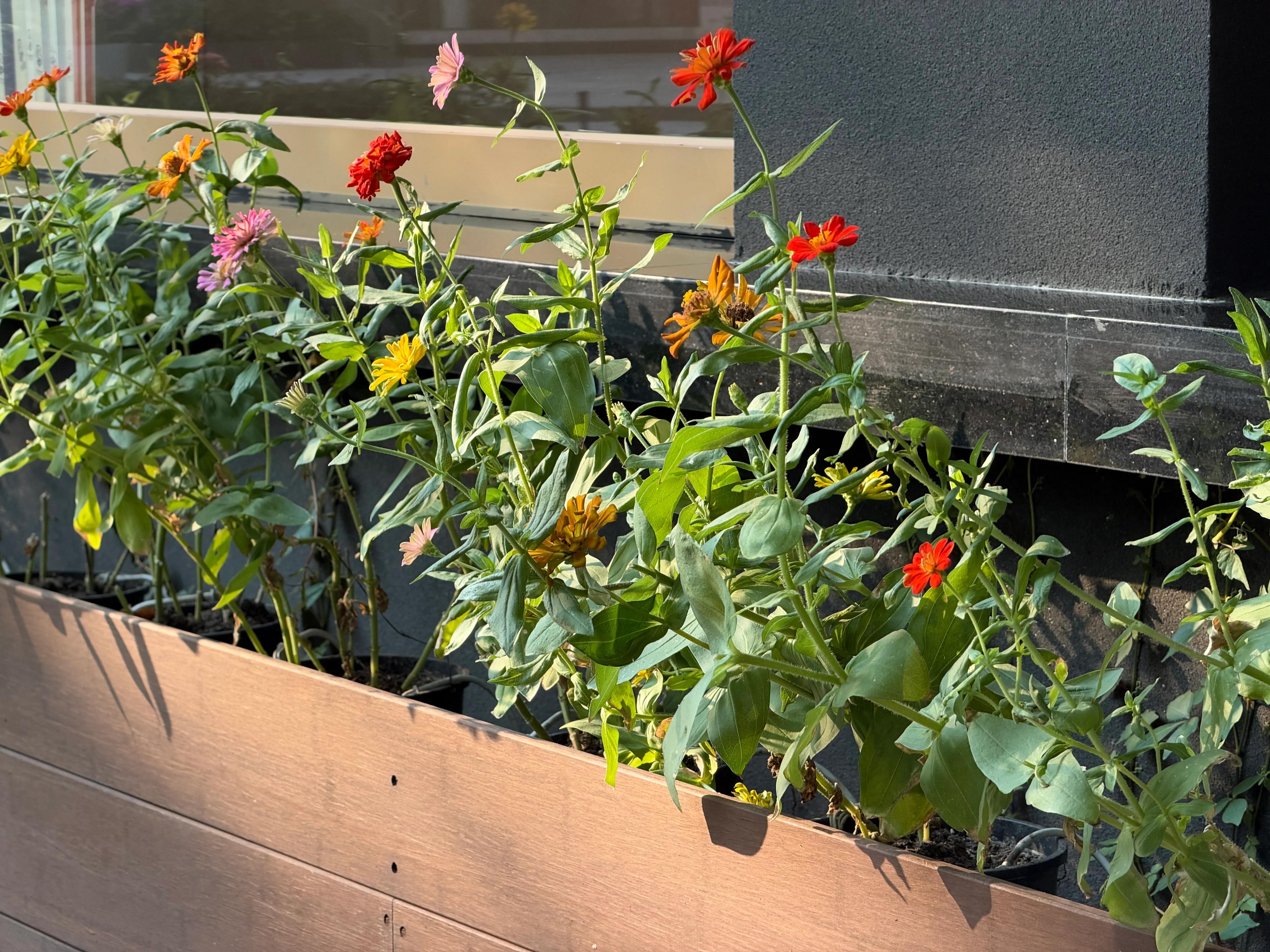
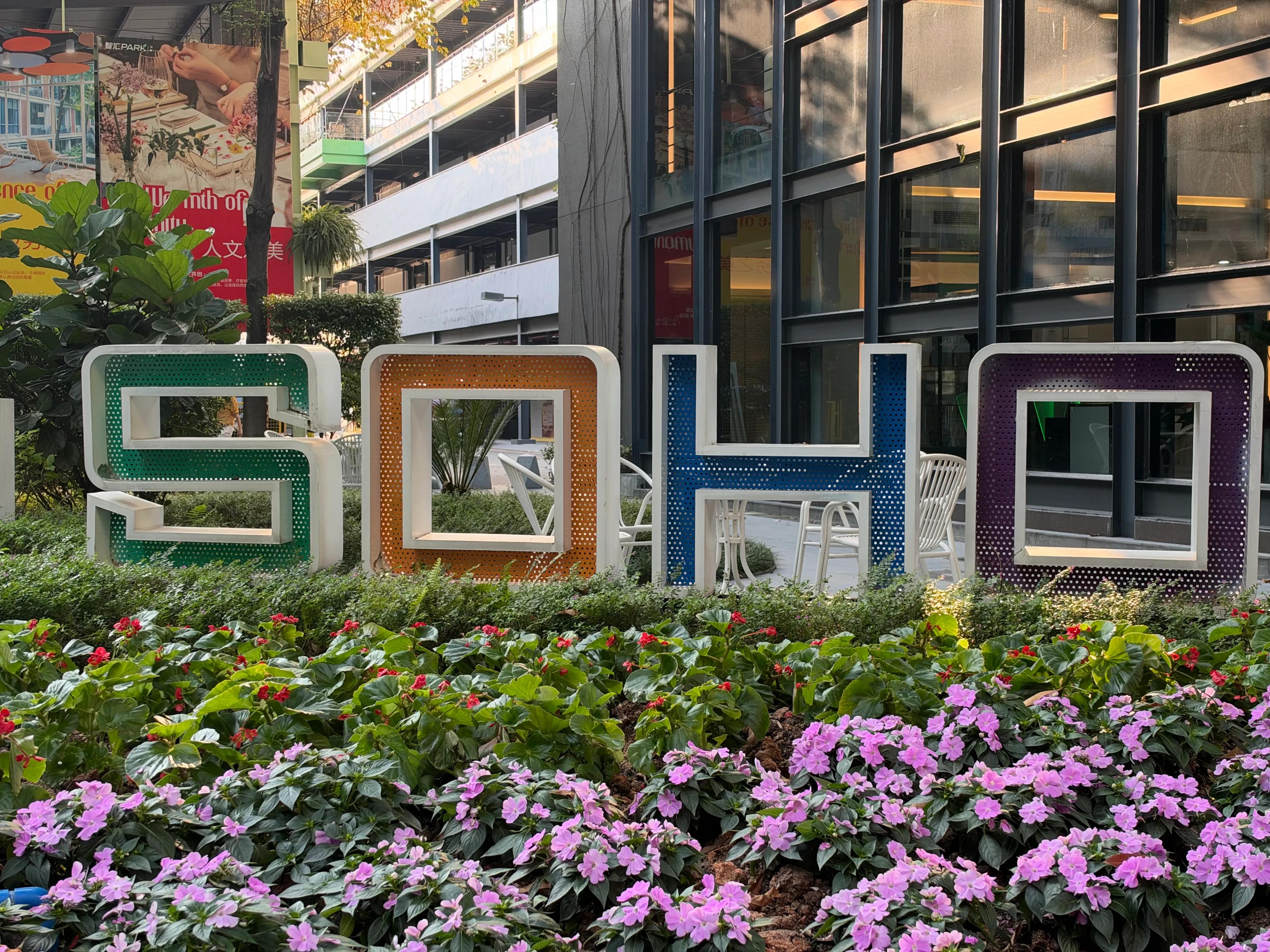
(Image source: Photo by Leitech)
Judging from the daytime sample photos, the iPhone 18 Pro Max still presents the familiar Apple style. It does not deliberately raise the screen brightness to an extremely high level, and the color saturation is relatively restrained. The light and shadow relationship between the white wall, black window frame and surrounding plants is well preserved. In particular, the highlight on the wall is not overexposed to brighten the dark areas, and the dark parts inside the window are not forcibly brightened to a grayish tone.
Many current mobile phones produce photos that look very pleasing at first glance: the sky is bluer, the leaves are greener, and the dark areas are brightened more. But after viewing too many of these photos, you will easily feel that the images look "all the same". The iPhone 18 Pro Max handles this aspect much more restrainedly, and the effect is closer to the light and shadow relationship seen by the naked eye on site.
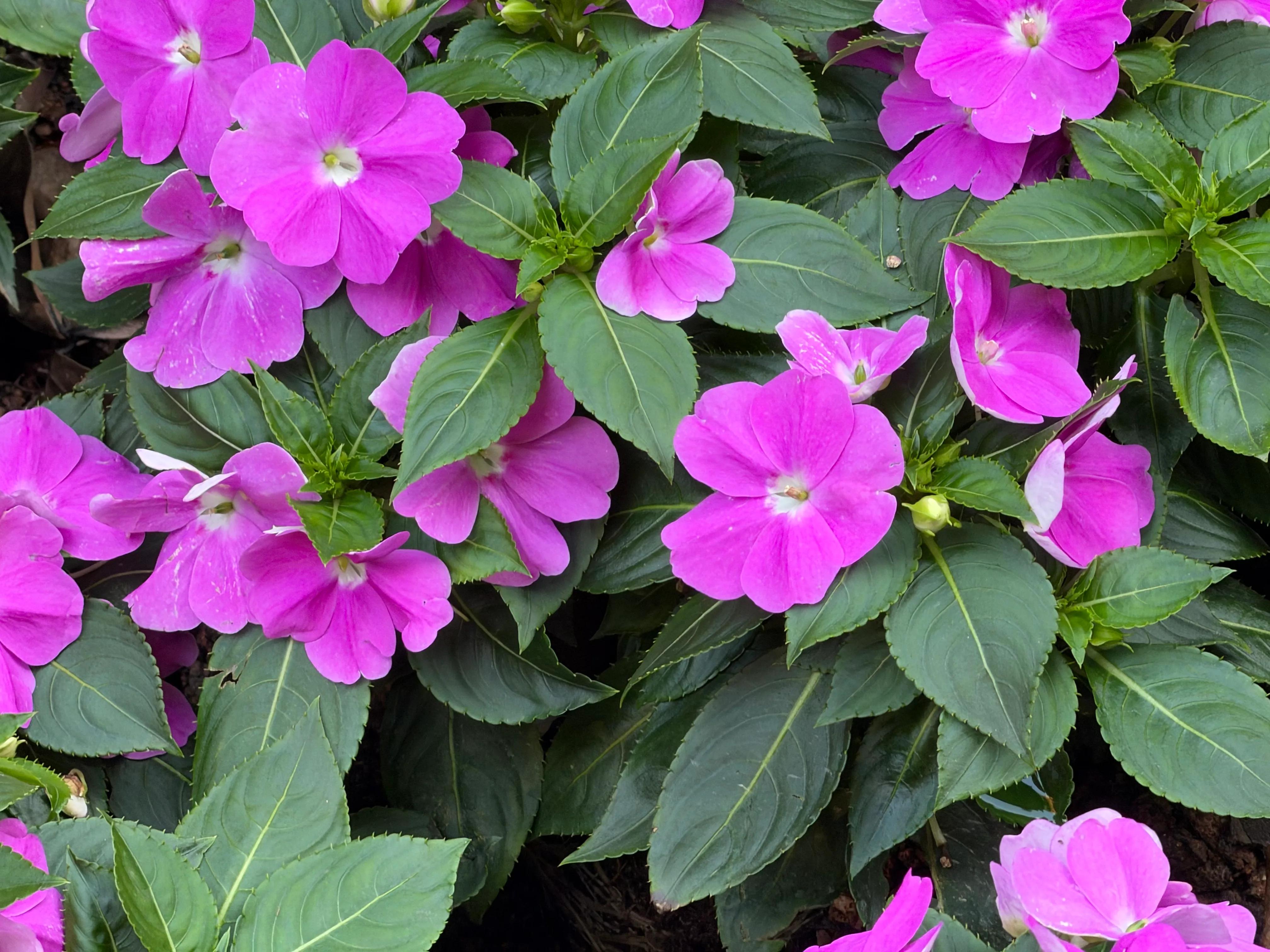
(Image source: Photo by Leitech)
When dealing with colors that are prone to oversaturation such as pink-purple, the color of the petals captured by the iPhone 18 Pro Max is not forcibly increased in saturation, and the leaves do not become overly vivid green. If you look closely at the petals, you can see a natural color gradient, and the texture on the surface of the leaves is relatively completely retained.
Of course, the disadvantage of this style is that the photos look a little "gray" at first glance. If you prefer the bright, transparent and high-saturation direct output effect of domestic flagship phones, you may not like the default shooting style of the iPhone.
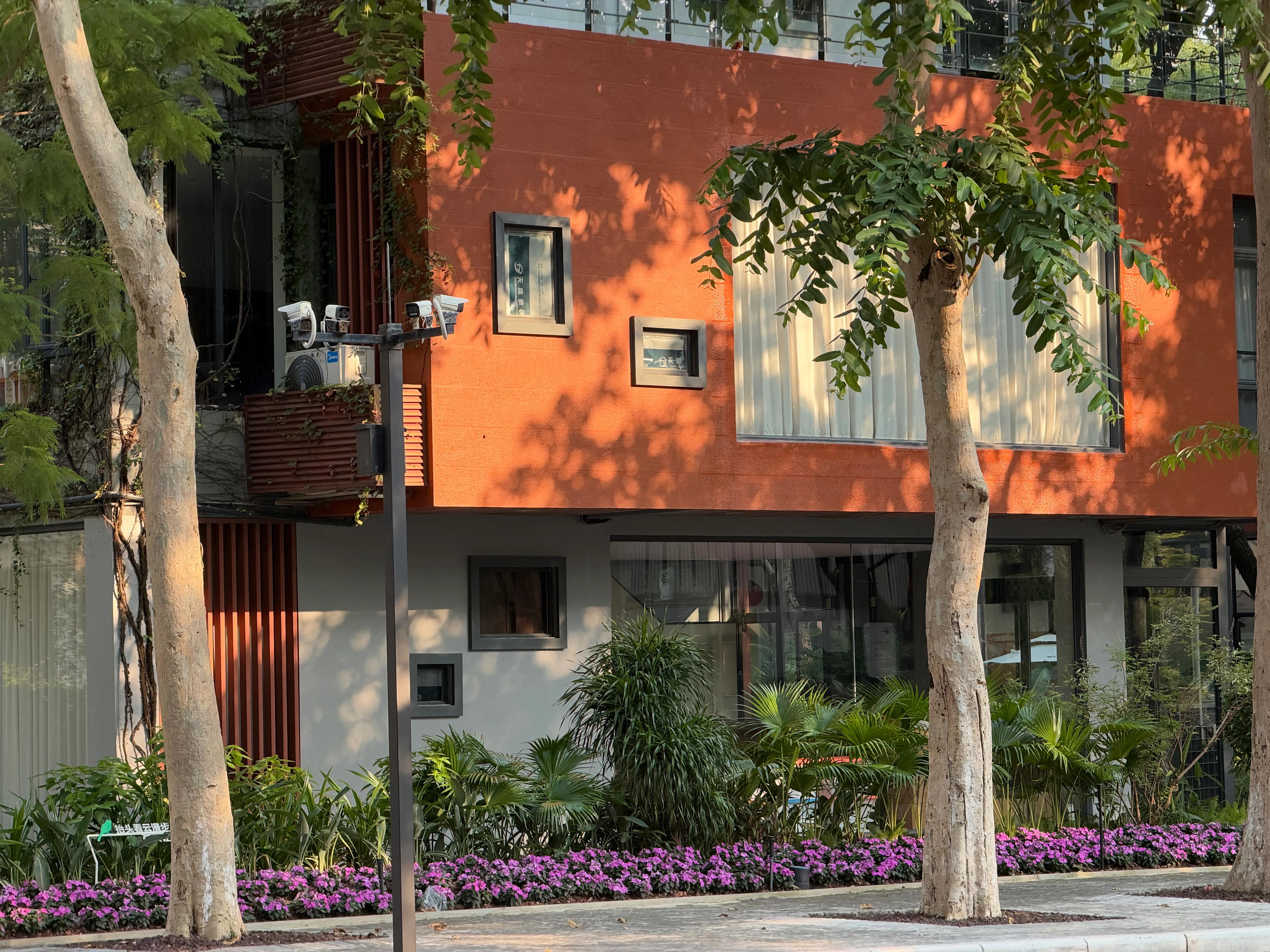
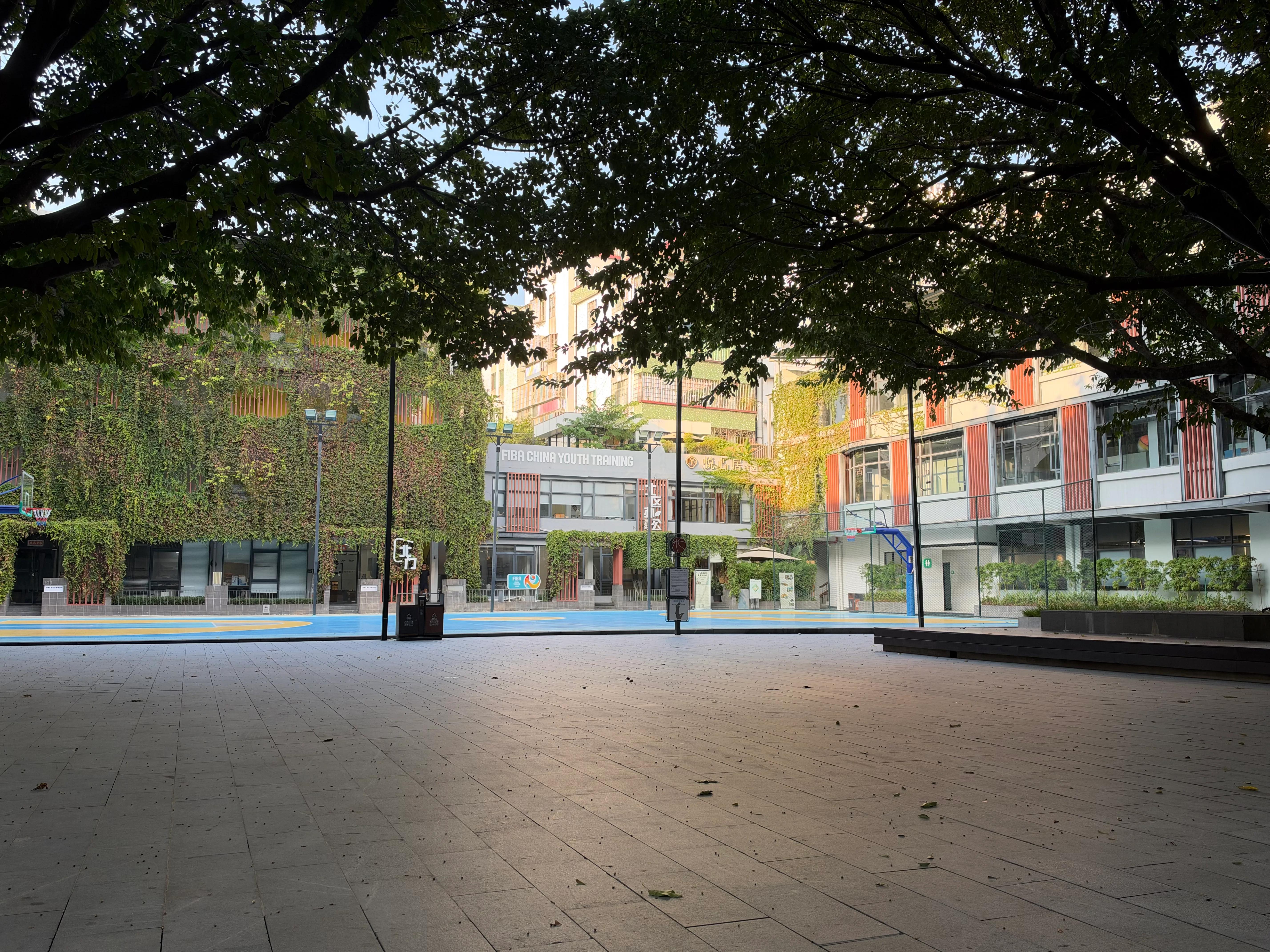
(Image source: Photo by Leitech)
In these high dynamic range scenarios, there are clear layers between the brightness of the wall, the tree shadows and the foreground tree trunk, and the light and shadow are not forcibly smoothed out by the HDR algorithm. The iPhone 18 Pro Max does not crush the dark areas completely just to preserve the details of the sky and wall, nor does it brighten the shadows to such an extent that the whole photo has a strong artificial HDR look.
But to be honest, sometimes not suppressing highlights at all will also affect the overall viewing experience of the photo. Perhaps this is Apple's consistent shooting philosophy.
The performance of the telephoto lens is also relatively stable.
From the two sample photos of buildings in the same scene, it is obvious that after switching from the native 4x telephoto to 8x, the details of the window frames and wall textures on the building are completely preserved, and the image style does not change significantly after switching the lens. Especially for scenes with a large number of straight lines and regular textures like buildings, which are quite challenging for the resolving power of the camera, when we zoom in to check, the edges of the window frames are still relatively clean, without obvious smudges.
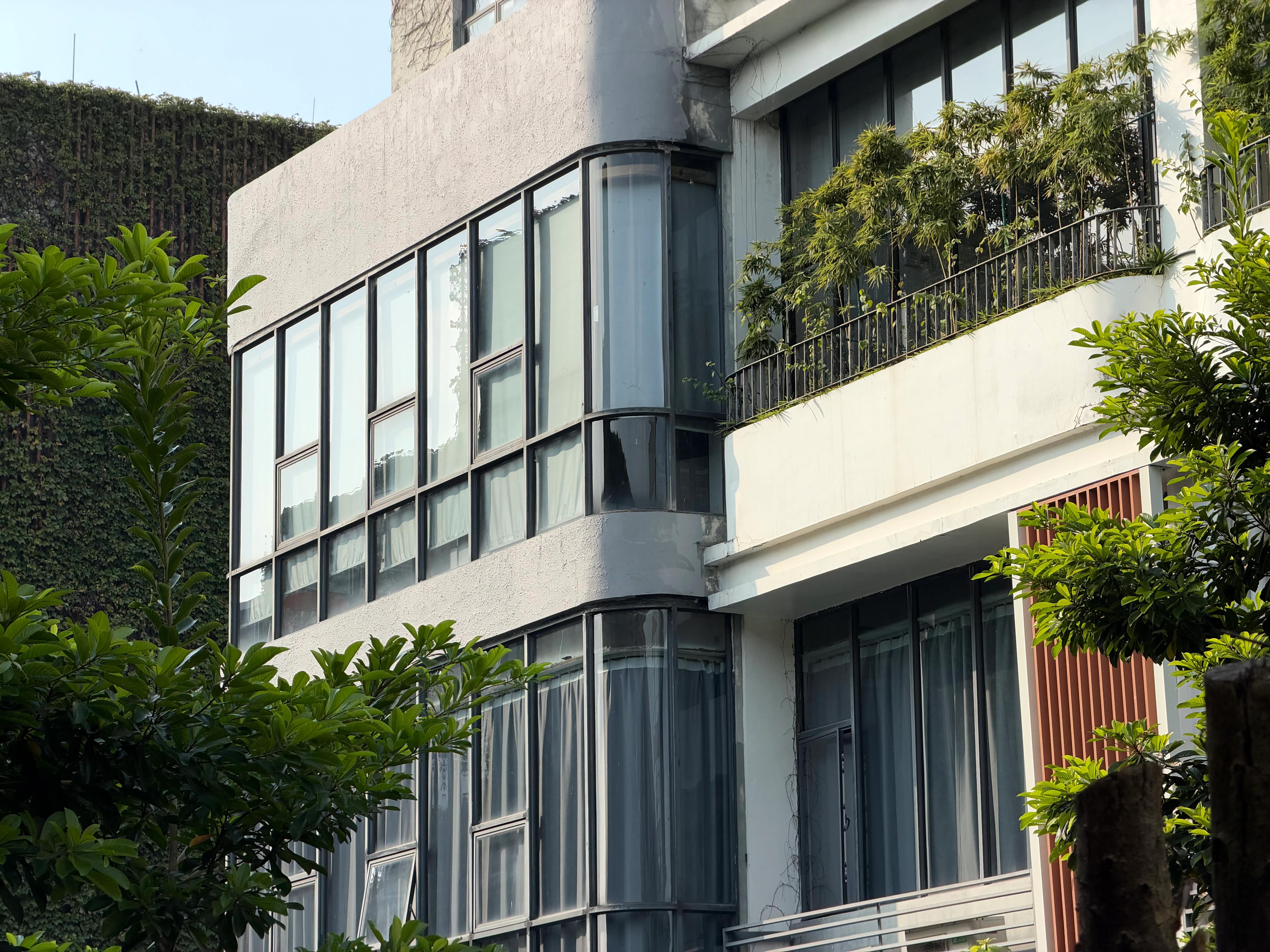
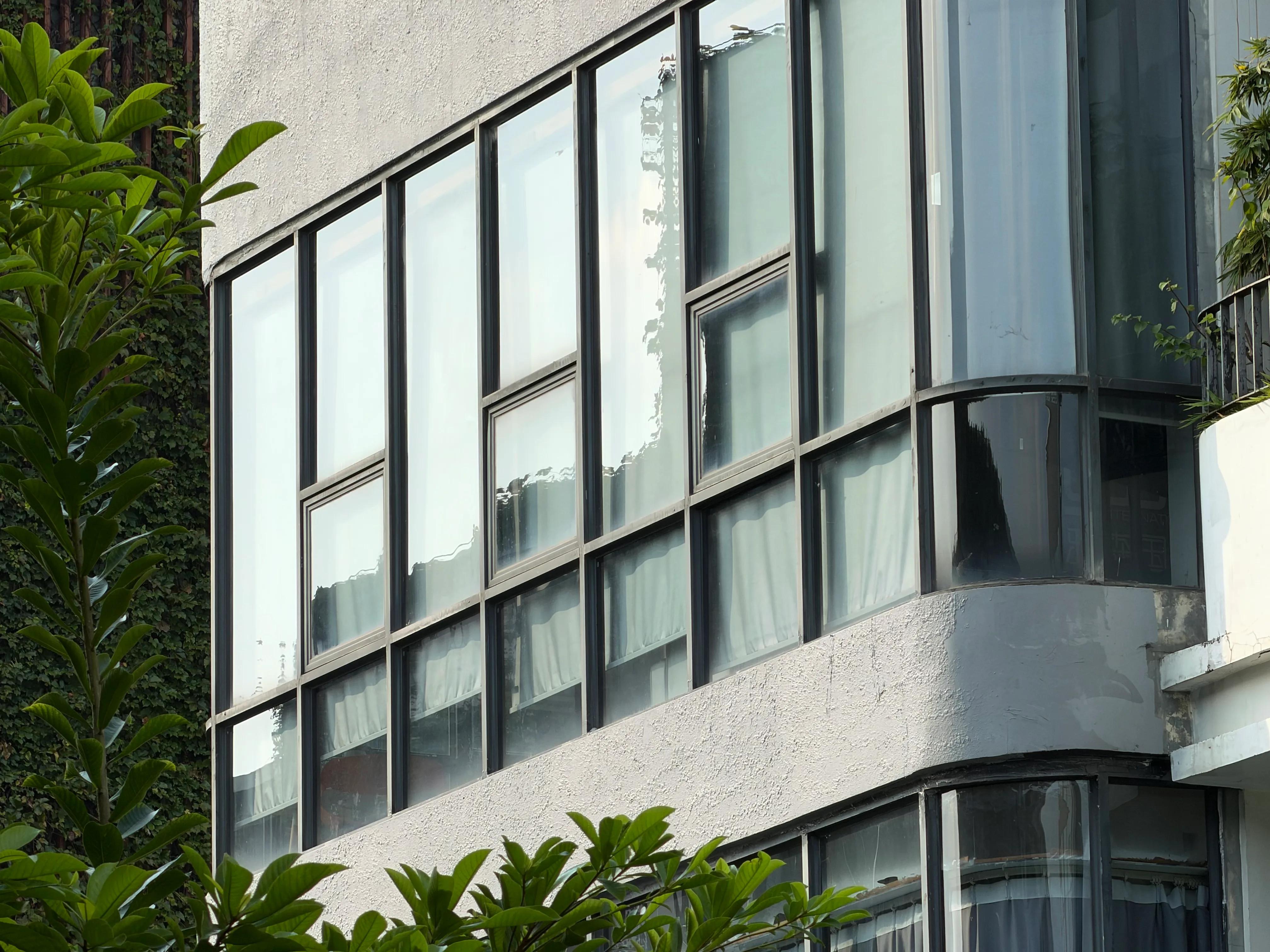
(Image source: Photo by Leitech)
Of course, if we only look at the hardware specifications of the iPhone 18 Pro Max's telephoto lens, it is no longer particularly outstanding among this year's Android imaging flagship phones. Nowadays, domestic flagship phones are often equipped with 200-megapixel periscope telephoto lenses, and they are definitely better at capturing details at longer focal lengths. However, the biggest advantage of Apple's imaging system is "stability". After switching from the main camera to the telephoto lens, the exposure, white balance and color will not change significantly, which is also one of the important factors why iPhone has been leading Android in the video field for a long time.
